









We create workforce solutions for critical infrastructure companies


You power the world. We help you build the workforce to keep it moving.


We’re the UK’s largest workforce solutions provider in critical infrastructure. Whether you need support training new talent, delivering projects with on-demand teams, or managing outsourced recruitment processes like RPO or MSP, we help you get work done and build diverse, future-ready teams.

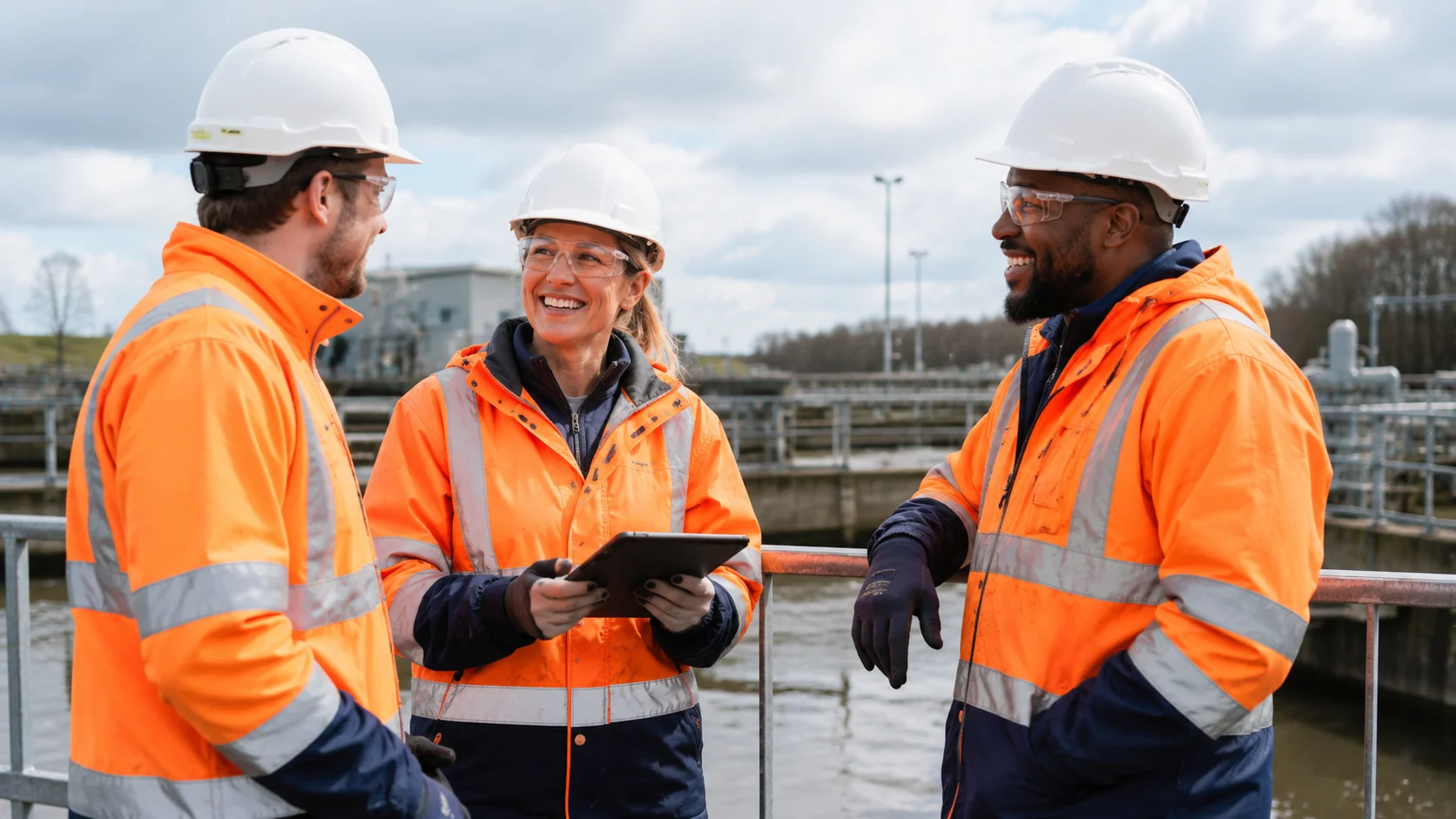
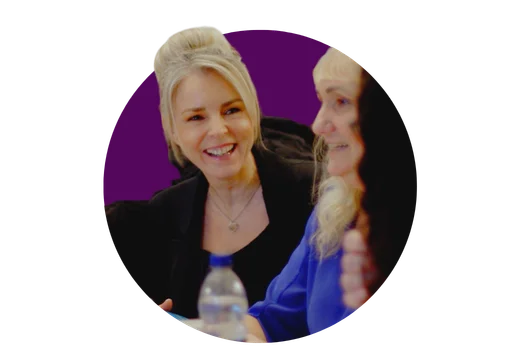
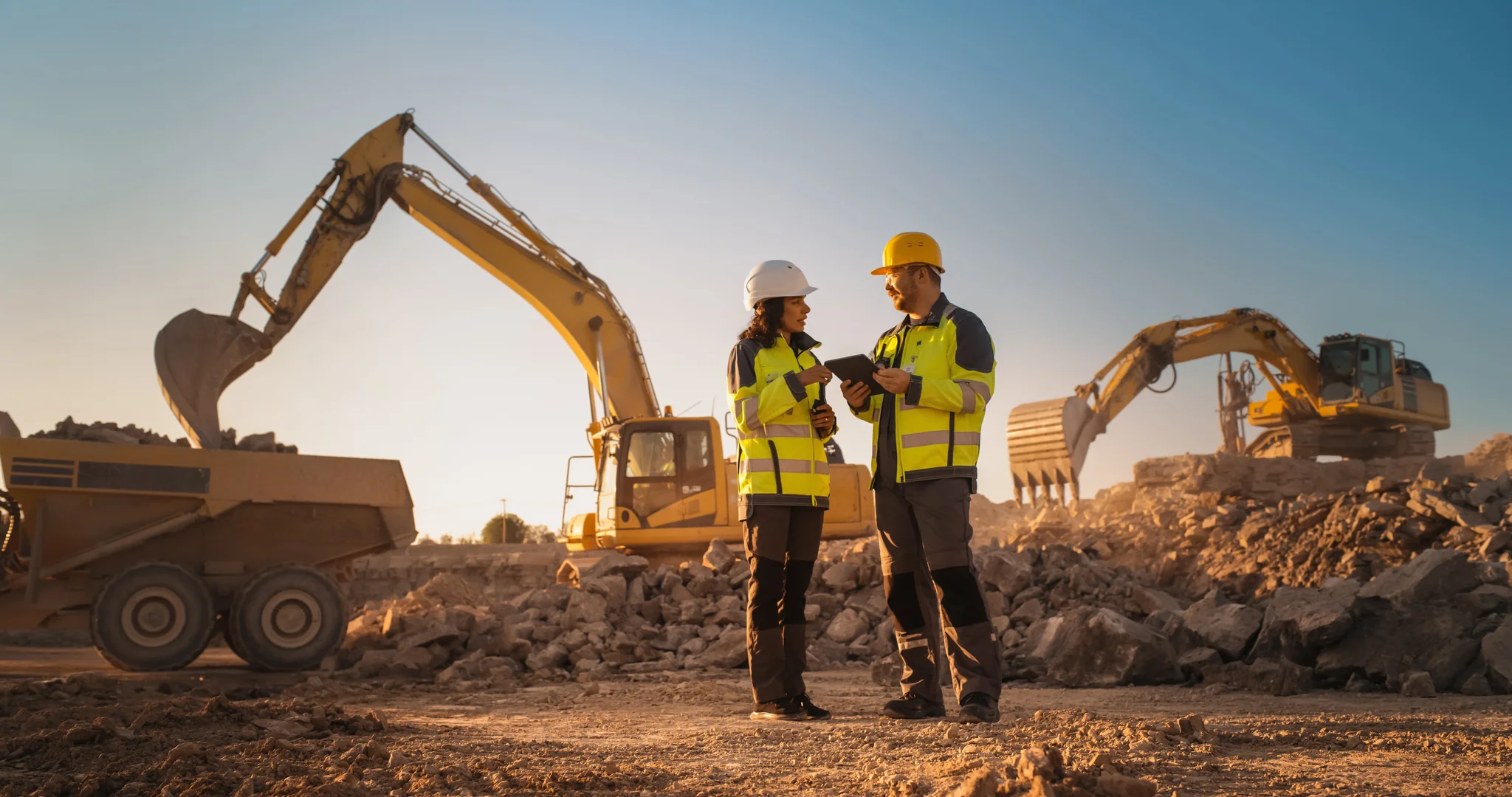
Three team members from Rullion

Search critical infrastructure jobs

81 live jobs

How can we help you?

We're here to help you get work done.

As your workforce solutions provider, we make building great teams simple.

Tell us what's holding you back, and we'll design a workforce solution specifically for you.

What people have to say about working with us

Real stories from the people and organisations we support

Why choose Rullion?

What we do matters, but how we do it makes the difference

True success in business is measured in more than just profit. At Rullion, we’re not about the quick buck; we’re about building workforce solutions that matter to your people and purpose.


We get work done for our clients. They choose us because there’s no trade-off between results, integrity, and personalised service (the homemade cookies probably help too).

Get Work Done

What's on your mind?

Our insights and tips on some of your most burning questions

PODCAST
Why nuclear education isn’t translating into job-ready talent

Why nuclear education isn’t translating into job-ready talent

The UK government’s recent overhaul of the nuclear system has moved focus toward faster build timelines and lower costs, with regulatory changes designed to remove delays that have historically slowed projects down. In parallel, the Nuclear Skills Plan increasing investment in nuclear education, particularly at postgraduate level, with the aim of strengthening the long-term talent pipeline needed to support this acceleration. This points to an assumption that if more people are trained, the workforce challenge will ease. But conversations across the nuclear industry suggest something more complex. Talent exists and interest in nuclear careers is growing, but there is a disconnect between how talent is developed and how the industry actually operates. As well as narrowed perceptions of the nuclear industry causing potential candidates to rule themselves out long before they’ve ever replied. The nuclear skills gap starts at entry level The nuclear sector continues to face a well-documented skills shortage and ageing workforce, increasing pressure on how new talent is developed. While universities produce strong academic foundations, particularly in engineering and physics, graduates are entering nuclear careers with a gap in exposure to the environments they are expected to work in. Nuclear is highly regulated and dependent on site-specific or procedural knowledge. New entrants need time to their translate academic knowledge into real-world capability and operational readiness in these safety-critical environments. That gap reflects the nature of the industry itself. As Rani Franovich, VP of Regulatory Strategy at Deep Fission noted during our conversation, much of that understanding is built through hands-on experience alongside operators, technicians, and safety teams on site. Nuclear careers are wider than STEM alone Access to nuclear careers is narrower in perception than it is in reality. The way nuclear careers are positioned still leans heavily on nuclear engineering pathways or specialised scientific roles. Whereas Nuclear projects operate as large-scale infrastructure programmes. As Rani Franovich, noted, “It takes a village to operate a nuclear power plant.” That village includes: Construction and skilled trade workers Regulators and policy specialists Project delivery teams Safety and compliance professionals Commercial and support functions When careers are framed too narrowly, large sections of the workforce never see themselves in the industry at all. Many potential candidates are ruling themselves out long before they ever apply. Making the talent shortage just as much an awareness gap as it is a skills gap. Interest in nuclear industry jobs isn’t translating into applications For many, nuclear still feels like a closed field. Highly technical, highly specialised, and only accessible through very specific academic routes. If someone doesn’t see a direct match between their background and that perception, they tend to rule themselves out without exploring further. That decision is often made before roles are fully understood and transferable skills are even considered. As Miguel Trenkel-Lopez put it, this isn’t a pure skills shortage. It’s a communication and awareness gap between what the industry needs and how those opportunities are understood. People with relevant experience in construction, infrastructure, project delivery, or other regulated environments don’t always recognise that their skills apply. At the same time, employers continue to look for candidates who already understand nuclear, reinforcing the idea that prior industry experience is a requirement rather than something that can be developed. The result is a mismatch on both sides. Talent exists and workforce demand exists. But they are not connecting early enough in the process. Nuclear capability is built through experience Nuclear capability isn’t something people arrive with fully formed. As Rani noted earlier, it’s developed over time through doing the job and gaining exposure to the operating environments. Jenifer Avellaneda’s path into nuclear reflects that. Her degree was in sustainable development engineering, not nuclear engineering. Her early exposure came through policy work at the International Atomic Energy Agency, followed by a transition into a technical role in probabilistic risk assessment. As Jenifer puts it, “you don’t need to be a nuclear engineer to come and work within the industry… We’re a super team here. Everybody’s welcome.” She describes a process of continuous learning, supported by mentors and hands-on experience. That pattern holds across roles. Supervised operations with simulation-based exercises and emergency drills as well as exposure to real systems build the level of judgement required in nuclear environments. The main obstacle into building this capability is creating clearer, more accessible entry points that reflect how the industry actually develops talent. That includes early careers routes with structured training in operating environments and lateral entry from adjacent sectors through structured reskilling and deployment models. If hiring continues to focus primarily on those already within the sector, the nuclear industry risks overlooking talent that is already capable, just not yet positioned within it. Nuclear career pathways are non-linear by design Once people enter nuclear, movement across roles, organisations and even sectors is common. Careers don’t follow a fixed path. They evolve through exposure and experience as opportunities show up across the nuclear programmes. That flexibility is built into the industry itself. As Rod Baltzer, Chief Executive Officer at Deep Isolation highlights, many of the skills required in nuclear already exist in adjacent sectors. Areas like oil and gas, construction, infrastructure, defence and other regulated environments all develop capabilities that translate directly into nuclear settings, from drilling and site operations to project delivery and technical oversight. This cross-sector movement is how the industry builds capability at scale. What can feel like a fragmented or unclear entry point is how the workforce is developed. The challenge is that hiring often doesn’t reflect that. Roles are still scoped around prior nuclear experience, even when the capability needed could be developed on the job. A large portion of viable talent remains outside the sector. Oversimplifying energy systems is distorting the nuclear industry narrative The way energy is taught has a direct impact on how nuclear is perceived. In many cases, education reduces energy systems to a simple classification: renewable or non-renewable. That framework is easy to teach. It is also misleading. Miguel Trenkel-Lopez highlights how this binary is introduced early, shaping how young people think about energy before they understand the system as a whole. Nuclear energy in particular is frequently misrepresented when it is grouped too simply into “non-renewable” alongside fossil fuels in the same category. Without acknowledging, lifecycle emissions, fuel efficiency, waste management, and its role in decarbonisation. It is interconnected, shaped by geography, infrastructure, policy, and demand. Renewable doesn’t always mean sustainable The term “renewable energy” is often treated as automatically “sustainable”, but the two are not the same. Miguel points to examples where renewable energy can become unsustainable, depending on how it is delivered: “Renewable isn’t the same as sustainable biomass, for example, becomes unsustainable if forests aren’t replanted, and even solar can fall short if its materials or labour practices are harmful. True sustainability goes beyond labels; it’s about long-term environmental impact, resource use, and people and the wider supply chains.” When considering whether an energy source is sustainability depends on a broader set of factors including: Long-term environmental impact Resource extraction and supply chains Land use and ecosystem balance Labour practices and social responsibility This wider picture is rarely reflected in early education. The result is a generation entering the workforce with a simplified view of energy, and nuclear positioned incorrectly within it. Why careers in nuclear need reframing The assumption that more education will solve the workforce challenge is understandable. It’s just not enough on its own. Across the industry, there is no single point of failure. What shows up instead is a gap between how people are developed, how roles are described, how hiring decisions are made, and the experience people need to be job-ready from day one. Capability in nuclear builds over time. It comes from exposure to real systems, and learning alongside experienced teams on site. Yet many entry points are still positioned as if that experience needs to exist before someone even gets through the door. This all continues to present nuclear careers as to narrow who sees it as an option. People with relevant backgrounds in construction, commercial, supply chain, infrastructure, or other regulated environments often don’t recognise their place in the sector. The work isn’t out of reach. It just needs to be described in a way that connects to what they already do. Shifting that starts with how roles are framed and how entry routes are designed. More clarity around where someone fits. More openness to adjacent experience. Better visibility of the types of roles that exist across nuclear programmes. A closer reflection of how capability is actually built once people are inside the industry. The talent is already there. It just isn’t finding its way in. Hot off the Grid Rullion’s Hot off the Grid series brings these perspectives from in-depth discussions with professionals working across the nuclear industry. From regulation and operations to education and early careers, the same themes continue to surface. You can explore these in more detail through our YouTube series.

By Rullion on 03 April 2026

BLOG
Why your experience could be a fit for nuclear new build jobs

Why your experience could be a fit for nuclear new build jobs

You might not think nuclear is a career for you. Most people don’t. The nuclear industry is often seen as a niche industry dominated by scientists and technical experts. However, nuclear projects rely on a much broader workforce, drawing on talent from construction, infrastructure, rail, energy, manufacturing and many other disciplines. Many of the people working in nuclear and nuclear new build jobs started their careers elsewhere, moving across with skills that transfer directly into large, safety-critical, complex programmes. If you’re considering your next move, this is a good piece to understand how nuclear projects work and where your experience could fit. Jump to: What are nuclear new build programmes? Types of nuclear new build jobs Where these roles sit across a project Moving into nuclear from other industries Early career routes into nuclear Why the nuclear workforce will keep growing Find your place in nuclear new build What are nuclear new build programmes? One of the biggest misconceptions about working in nuclear is that most roles require a nuclear background. In reality, nuclear new build programmes look much more like large-scale infrastructure projects, involving the design, construction, commissioning, and eventually live operations of a station. These programmes run over decades and require thousands of people across a wide range of disciplines While nuclear can sound highly technical, much of the work will be familiar to people with experience in infrastructure, construction, engineering or major project delivery. The difference is the environment the work sits within. Nuclear projects operate under rigorous regulatory and safety frameworks, where quality, assurance and compliance are built into every stage of delivery. Across the UK, this major nuclear new build programmes are already underway. Hinkley Point C is in active construction and has become one of the largest infrastructure projects in Europe. Sizewell C is moving into its next phase, preparing for major construction activity. Alongside this, programmes such as Small Modular Reactors, including the Rolls-Royce SMR, and the STEP fusion programme are progressing and will introduce additional projects and supply chains across the UK. Projects like these involve far more than housing a nuclear reactor. They include marine works, cooling systems, large reinforced concrete structures, turbine halls, substations, transport infrastructure, accommodation facilities, and complex digital control systems. This scale and complexity necessitate thousands of roles across engineering, project delivery, construction, digital systems, and operations. Much of that demand is met by people entering the sector for the first time. If you’re new to the sector, it helps to understand how these projects are structured and where different skills come into play. For an overview of the nuclear sector and its career pathways, read our guide to UK nuclear careers. Types of nuclear new build jobs So where do you actually fit into all of this? Nuclear new build programmes teams still look very similar to those on other large infrastructure projects, just operating within a different environment. It can help to break these projects down by the types of roles they actually require to understand where you might fit. Engineering roles Engineering sits at the core of new nuclear build projects. Civil engineers design and deliver major structures, mechanical engineers work on plant systems, electrical engineers manage power infrastructure and instrumentation, and nuclear site engineers and control experts manage complex operational systems. The difference is applying those skills within a more regulated environment. There is strong demand for engineers who are used to working in complex, safety-critical environments, particularly those coming from major infrastructure, energy, oil and gas, or defence projects. Project delivery and commercial roles Nuclear new build programmes operate at the scale of megaprojects. Project planners, programme managers, commercial managers, contract managers, and project controls professionals all play a key role in keeping delivery on track. People often transition into nuclear through these functions, bringing experience from other large-scale projects. Where managing timelines, budgets, and complex supply chains is already part of the day-to-day. Construction and site-based roles Construction is where workforce demand is most visible. Structural works, logistics, heavy lifting operations, quality assurance, and site management all contribute to delivering large-scale infrastructure on site. Many of these roles are filled by professionals with backgrounds in construction, civil engineering, or major infrastructure projects, bringing experience that transfers directly into the nuclear environment. Digital and systems roles Modern nuclear infrastructure projects rely heavily on digital systems. This includes simulation environments, control systems, cyber security, and digital monitoring tools used throughout both construction and operations. Digital and system roles are becoming increasingly important as projects integrate more advanced monitoring and operating systems. Supply chain and procurement Behind every nuclear new build programme is a large and complex nuclear supply chain. Procurement specialists, logistics professionals, manufacturing teams, and commercial specialists ensure services, materials, and components are delivered on time and to specification. For those with experience in supply chain or vendor management, this sector is a key area where skills transfer directly. Health, safety and compliance Nuclear projects also rely on a wide range of support roles, which are often less visible but equally critical to delivery. Health and safety, quality, environmental management, onboarding, screening, and workforce planning are all essential to keeping projects compliant and operating safely. Roles you might not expect Some roles on nuclear projects sit outside the areas people typically associate with the sector. On projects like Hinkley Point C, teams include marine specialists managing offshore logistics and environmental experts protecting habitats. It’s a much broader workforce than most people expect, with opportunities extending well beyond traditional engineering or construction roles. If your experience sits outside traditional nuclear roles, there may still be a clear place for it within the wider project. Where these roles sit across a nuclear project Nuclear new build projects develop over long periods of time, taking 15 to 20 years from early planning through to operation. As each phase progresses, the type of work changes, and so does the mix of roles required. Workforce demand on nuclear projects does not increase gradually; it builds in stages. Often accelerating quickly once construction activity expands. Early development teams may involve a few hundred specialists focused on planning, design, licensing, and regulatory work. As projects move into main construction, that number increases significantly. This pattern has already been seen on Hinkley Point C. As construction moved from early works into full delivery, workforce demand increased rapidly, with thousands of people required onsite to run civils, mechanical and electrical, construction, logistics, and project delivery in parallel. A similar pattern is now emerging at Sizewell C. The site workforce has already grown to more than 2,000 people per day as activity has progressed, with further increases expected as additional phases begin to overlap. During peak construction, projects of this scale can require around 10,000 thousands of workers on-site. This is a defining feature of a new nuclear build. Once a nuclear new build programme moves beyond construction, roles shift towards testing, commissioning and operational readiness, followed by long-term opportunities in maintenance, compliance and plant support once stations are running. This means there isn’t a single entry point. Opportunities open up at different stages depending on your experience and where nuclear projects are in their lifecycle. Moving into nuclear from other industries Because opportunities open up at different stages of a project, many people enter nuclear during periods of construction and delivery, bringing experience from other industries. The transition itself is often more straightforward than expected. In many cases, people move into similar roles to the ones they’ve already been doing, but within a different project environment. Common transition paths include: Oil and gas engineers moving into energy infrastructure projects Defence and aerospace engineers transferring safety and systems expertise Construction professionals moving from transport or infrastructure projects Digital specialists working on control systems and simulation platforms Location is also an important factor to consider. Nuclear new build sites such as Sizewell C and Hinkley Point C are based outside major cities, which can involve working on-site or relocating closer to the project. For many, this brings a different kind of experience. You’re closer to the delivery of major infrastructure, working alongside large multidisciplinary teams and seeing progress as it happens. For many, that is part of the appeal. You’re building experience in real time, working alongside specialists from different disciplines, and contributing to something you can physically see taking shape. It’s a different pace and a different kind of visibility on projects that will operate for decades. Early career routes into nuclear Nuclear new build is focused on building a future workforce just as much as it is about hiring experienced professionals. This means the sector is actively opening up to new talent. There is also a growing focus on improving workforce diversity and creating more inclusive entry routes into the industry. Projects such as Hinkley Point C have already trained thousands of apprentices; Sizewell C will support significant training, apprenticeship, and graduate opportunities as construction progresses. For those earlier in their careers, these routes offer the chance to gain experience within a live national programme from the outset. This often includes structured training and exposure to site environments and technologies, all alongside the opportunity to work with experienced teams across a wide variety of disciplines. Over time, that experience can open up different pathways across the different phases of a nuclear new build programme, so you’ll have opportunities to progress with the programme as it moves from construction through to commissioning and long-term operations. Why the nuclear workforce will keep growing The demand for nuclear skills is not being driven by a single project. It reflects a broader pipeline of work across the UK future energy systems as part of the wider energy transition. Where new nuclear stations are being developed alongside emerging technologies such as Small Modular Reactors and fusion programmes, like STEP. Projects like Hinkley Point C and Sizewell C sit within this wider programme. While each project runs over decades, they also overlap with one another, creating continuous demand across different phases. For many people, this points to a career path more stable than a short-term hiring cycle. Experience gained on one project can carry across to the next. That longer lifecycle supports ongoing roles in maintenance, compliance, upgrades, and plant support long after construction ends. Find your place in nuclear new build Nuclear new build isn’t limited to those who have built their careers in the sector. No matter if you already work in nuclear or are exploring how your experience could transfer, nuclear new build offers the opportunity to work on some of the UK’s most significant infrastructure projects. At Rullion, we support organisations and supply chain partners across the nuclear sector, helping connect people to opportunities across major projects like Hinkley Point C, Sizewell C, and the STEP fusion programme.

By Rullion on 02 April 2026

PODCAST
Why nuclear waste disposal feels stuck despite advances in technology

Why nuclear waste disposal feels stuck despite advances in technology

Whenever the nuclear industry talks about introducing new reactor designs, new fuel technologies, expanding nuclear capacity, or accelerating deployment timelines, the conversation almost always returns to long-term nuclear waste disposal. For many outside the industry, it still remains the central hesitation point. Insights from Rullion’s Hot off the Grid series show that while engineering solutions have advanced significantly, regulatory frameworks and public understanding have moved more slowly. Jump to: How nuclear waste is managed in daily operations How regulatory structures slowed long-term nuclear waste disposal How nuclear engineering approaches to disposal have changed Why the word “waste” keeps the debate locked in place Where the nuclear industry now stands on disposal What this means for nuclear’s expansion How nuclear waste is managed in daily operations Why don’t we shoot nuclear waste into the sun? Popular suggestions such as launching waste into space often surface in public debate yet carry far greater technical risk than geological containment on Earth. Across nuclear facilities, spent fuel is stored in dry cask systems designed for long-term nuclear waste storage containment. The dry cask facilities use thick steel and reinforced concrete containers designed to withstand long-term exposure including seismic events and extreme weather. These systems have been in continuous use across operating sites for many years, with performance monitored under routine plant conditions. Rod Baltzer, whose career spans radioactive waste operations and now leadership as CEO at Deep Isolation, highlighted how close this infrastructure sits to everyday life. A large proportion of the U.S. population lives within roughly 50 miles of stored nuclear material, yet incidents linked to storage remain exceptionally rare. The controls, monitoring regimes, and regulatory oversight surrounding these facilities are extensive. The industry does not treat waste casually and hasn’t for decades. Where misunderstanding persists is in how this material is imagined. The gap between industry practice and public perception is substantial. Popular culture still leans toward images of leaking barrels and glowing sludge, while the reality is closer to heavy-industry containment and continuous inspection. This disconnect has shaped how the waste conversation unfolds in public and political spaces. How regulatory structures slowed long-term nuclear waste disposal Rani Franovich, Vice President of Regulatory Strategy at Deep Fission, experienced over thirty years inside the U.S. Nuclear Regulatory Commission provides context for why disposal infrastructure has progressed more slowly than reactor operations. Much of today’s nuclear waste regulations were written around large repository concepts developed decades ago. In the late 1990s, regulatory oversight for operating plants shifted toward risk-informed performance measures. That approach improved how safety was assessed in real-world conditions. However, licensing frameworks for major infrastructure remained anchored to prescriptive rules developed around earlier repository concepts. Regulatory processes remain heavily prescriptive Approvals move at timescales disconnected from modern engineering cycles Innovation must fit rule sets written for earlier repository concepts Watch the full episode 8 of Hot off the Grid, where Rani Franovich talks about why nuclear regulation needs to change. Advanced containment approaches now exist, yet must follow pathways designed for large, mined repositories conceived decades ago. This regulatory lag is often what sits behind public frustration around how we dispose of nuclear waste permanently, even as modern engineering solutions become available. The result is extended approval timelines even where technical performance is well understood. How nuclear engineering approaches to disposal have changed Early nuclear disposal strategies focused on large underground repositories built through extensive excavation and permanent tunnel systems. Advances in nuclear waste technology, particularly in directional drilling and geological isolation, now allow nuclear material to be placed deep within stable geological formations using narrow boreholes that extend horizontally through selected rock layers. Within the nuclear industry, permanent nuclear waste disposal is now widely understood to centre on deep geological isolation, where material is emplaced far below groundwater systems in stable rock formations rather than large engineered underground facilities. Watch the full episode with Rod Baltzer where he explains how companies such as Deep Isolation apply drilling methods originally developed in oil and gas to emplace spent fuel far below groundwater systems with significantly reduced surface infrastructure. A similar geological logic underpins reactor concepts being developed by Deep Fission, which integrate reactor placement directly within deep boreholes to leverage natural containment and thermal properties of rock formations. Although applied to different parts of the nuclear lifecycle, both approaches reflect a broader industry shift toward precision underground engineering rather than cavern-scale construction. In our episode with Deep Fission’s CEO, Liz Muller, she discussed how these methods also change the economic profile of disposal, reducing build timelines and capital intensity compared with legacy repository designs. Deep Fission has since gone public, raised $80M in financing to accelerate commercialisation, and announced Parsons, Kansas as the site for its Reactor Pilot Project, further signalling how quickly these concepts are moving toward real-world deployment. From both a technical and financial standpoint, disposal strategies have moved into a new phase of feasibility. Why the word “waste” keeps the debate locked in place Jenifer Avellaneda, a senior engineer at Westinghouse Electric Company, regularly fields questions online about nuclear safety and fuel management. Almost all of them pivot on the same assumption: that nuclear material becomes an unusable hazard the moment it leaves a reactor.During our conversation with Jenifer, she mentioned she often begins by clarifying that much of what is referred to as waste is spent fuel that still contains usable energy and can be reprocessed in advanced fuel cycles. Beyond that technical point, she notes how language shapes perception. Once something is categorised as waste, people instinctively assume it must be removed immediately, isolated forever and treated as uniquely risky. That perception persists even though nuclear waste is not particularly hazardous or difficult to manage relative to other toxic industrial wastes, and safe methods for final disposal are technically proven through decades of experience in geological storage research. Avellaneda’s experience reflects a broader challenge within the sector. Technical explanations often lose ground to emotionally charged language that predates modern storage and disposal methods. Where the nuclear industry now stands on disposal In the UK, nuclear waste disposal policy centres on the development of a Geological Disposal Facility (GDF), overseen by the Nuclear Decommissioning Authority. The UK’s approach combines long-term nuclear waste storage at existing sites with a structured, consent-based siting process for permanent deep geological disposal. While deliberately paced under established nuclear waste regulations, UK nuclear waste disposal is progressing through defined regulatory, geological assessment and community engagement stages rather than standing still. Across operational experiences, regulatory insight and engineering development, several consistent themes emerge: Current storage systems perform reliably and are closely monitored Deep geological isolation methods are technically achievable using current drilling technology Deployment speed and cost have improved markedly Risk assessment methods are conservative and continuously refined From a technical standpoint, nuclear waste is not an unsolved problem. This frequently leads to the broader question of “is nuclear waste disposal still a problem for the industry?” Technically, containment and isolation are increasingly well understood. The remaining barriers are largely regulatory adaptation and public confidence. The friction lies in: Infrastructure approval processes Regulatory frameworks built for legacy designs Public confidence shaped by outdated narratives Education barriers What this means for nuclear’s expansion Long-term disposal now shapes nuclear projects from the earliest planning stages through to licensing and financing. While modern containment methods offer faster and more practical pathways, regulatory frameworks continue to reflect earlier repository designs. This disconnect increasingly determines how quickly new nuclear infrastructure can move forward. From an engineering standpoint, permanent isolation is now technically achievable. The industry has already moved beyond the disposal concepts of the last century. The question is no longer whether permanent isolation is technically possible. It is how efficiently regulatory, engineering and public systems can move together. Hot off the Grid Rullion’s Hot off the Grid series brings these perspectives from in-depth discussions with professionals working directly in nuclear operations, regulation, and technology development. Nuclear waste management is only one of the topics explored in these conversations. If you’d like to hear more from the people referenced in this article, along with other voices across the nuclear ecosystem, you can explore the full series on YouTube.

By Rullion on 20 March 2026

Tell us your challenge

Have a workforce problem keeping you up at night?


Rullion's the workforce solution provider ready to solve it.